
What Are the Main Types of Japanese Tea?
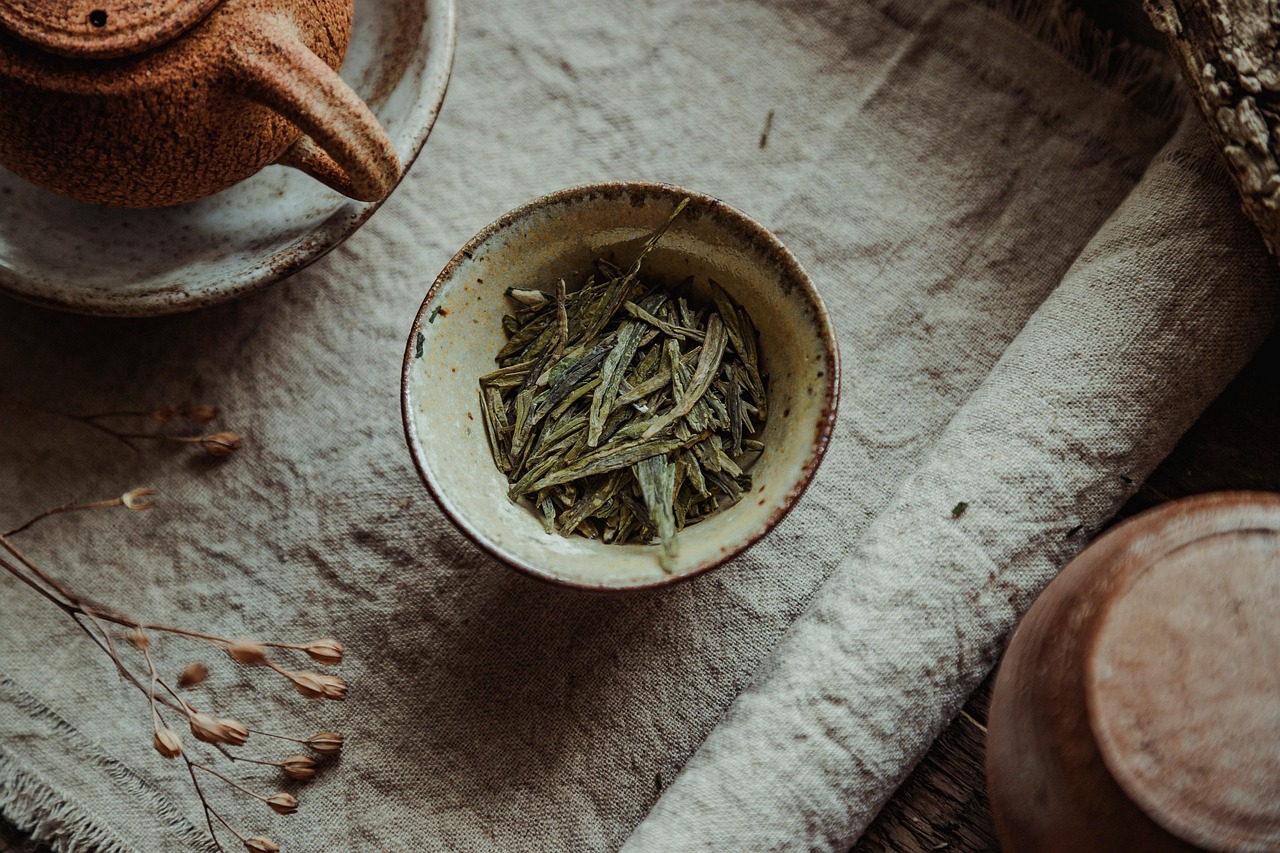
“Japanese tea” generally refers to green tea varieties cultivated and processed in Japan. Depending on how the tea leaves are grown, harvested, and processed, Japanese tea can be categorized into several distinct types, each with its own unique flavor, aroma, and characteristics. In this article, we will explore five of the most representative types of Japanese tea: Sencha, Gyokuro, Matcha, Hojicha, and Bancha.
Sencha: The Most Common Japanese Green Tea
Sencha is the most widely consumed Japanese tea and is a staple in daily life across the country. The freshly picked leaves are quickly steamed, rolled, and dried, resulting in a tea with a fresh aroma and a balanced bitterness. The flavor changes depending on the temperature of the water used, with around 80°C (176°F) bringing out its natural sweetness.
Gyokuro: A Luxurious Tea Rich in Umami
Gyokuro is a premium green tea known for its rich umami and mellow sweetness. It is cultivated under shade for about 20 days before harvest, which increases its theanine content and reduces bitterness. Best enjoyed with water at a low temperature (50–60°C or 122–140°F), Gyokuro is often reserved for special occasions or given as a high-end gift.
Matcha: The Allure of Whisked Green Tea Powder
Matcha is made from tencha, a shaded tea leaf similar to Gyokuro, that is dried and stone-ground into a fine powder. Traditionally used in tea ceremonies, matcha is also widely used today in lattes, desserts, and cooking. Since the entire tea leaf is consumed, matcha offers a rich source of caffeine, catechins, and antioxidants.
Hojicha: Roasted Aroma and Low Caffeine Comfort
Hojicha is made by roasting sencha or bancha at high temperatures, which gives it a distinctive toasty aroma and reddish-brown color. The roasting process reduces its caffeine content, making it gentle on the stomach and suitable for drinking before bedtime or after meals. It is a popular choice for children and pregnant women as well.
Bancha and Other Varieties: Genmaicha, Kukicha, and More
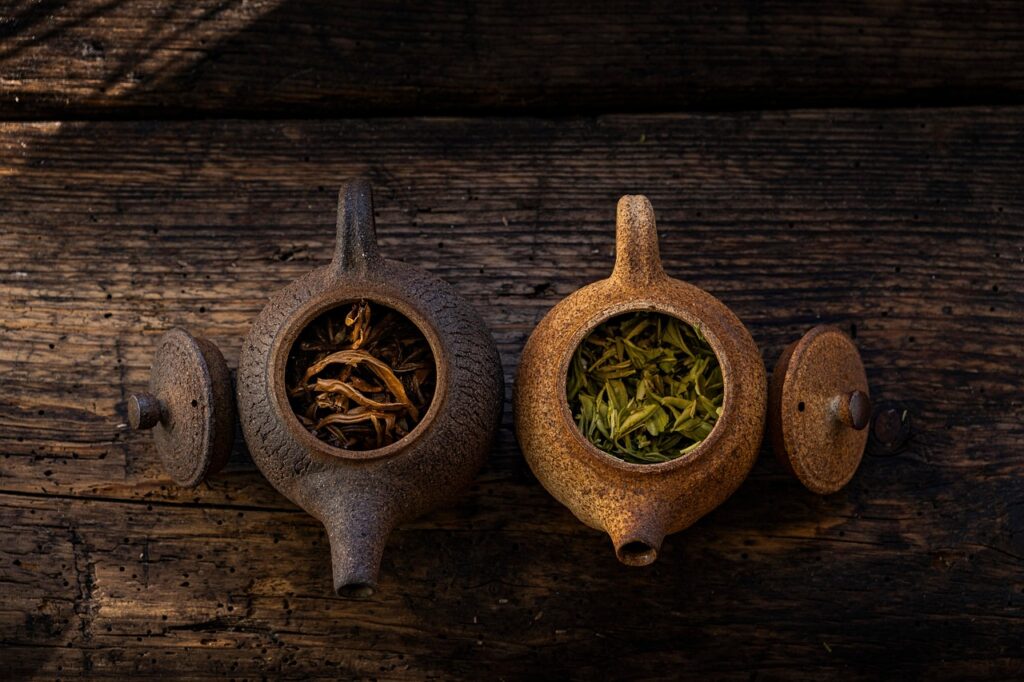
Bancha is harvested later in the season and uses more mature leaves or stems, resulting in a lighter flavor. Genmaicha blends sencha or bancha with roasted brown rice for a nutty taste. Kukicha (also known as twig tea or karigane) is made from the stems of the tea plant and is known for its light, refreshing flavor with minimal bitterness.
Recommended Ways to Enjoy Each Type of Japanese Tea
Sencha is perfect for a morning refreshment, while Gyokuro is ideal for hospitality or quiet moments. Matcha suits relaxation time or baking, Hojicha is best after meals or at night, and Bancha is great for everyday hydration. By choosing the right tea for each occasion, you can enhance your daily tea experience.
Finding a type of Japanese tea that suits your taste can bring a moment of peace and enrichment to your everyday life.
No comments yet.