
Introducing Shizuoka
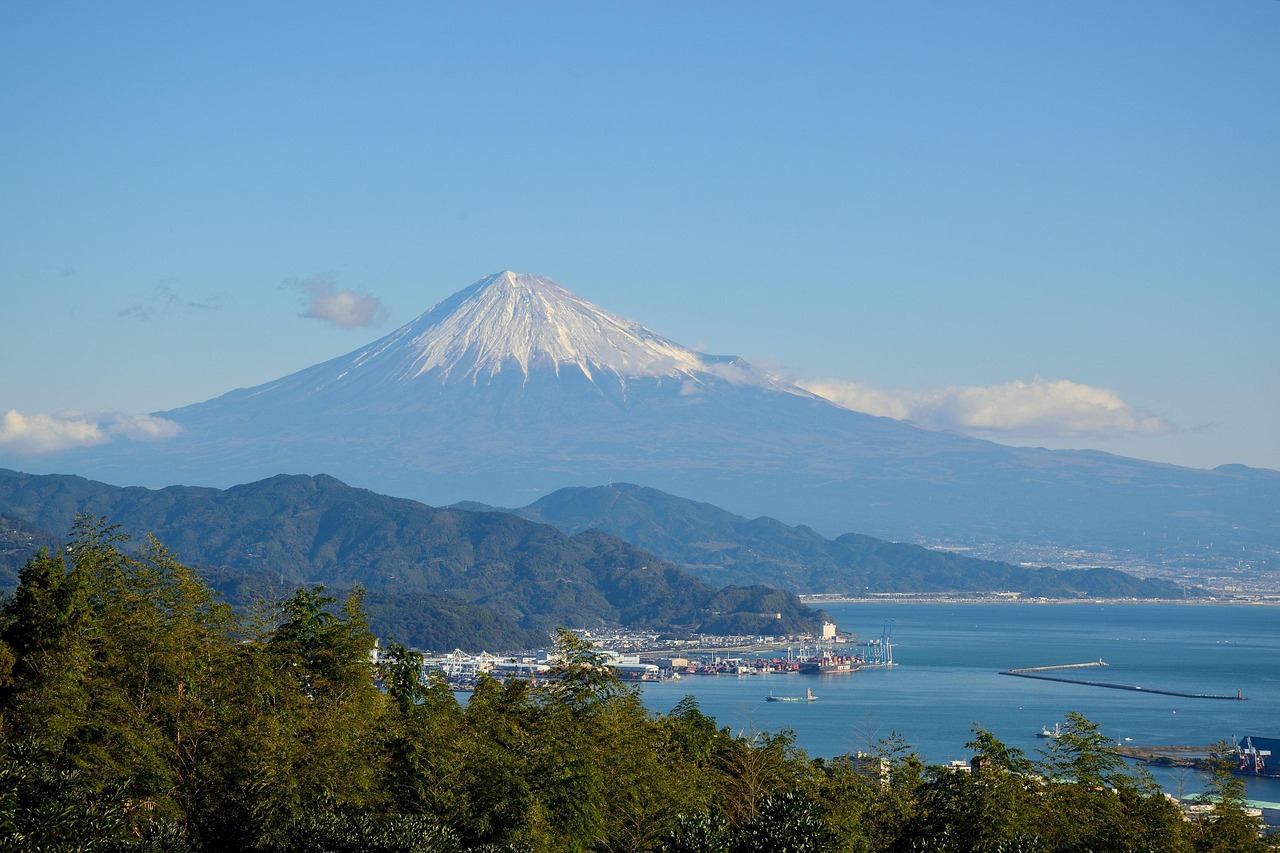
Located between Tokyo and Nagoya, Shizuoka Prefecture lies along Suruga Bay on the pacific coast. The prefecture is internationally renowned as the home of Mt. Fuji and boasts an abundant landscape made up of green vegetation, mountainous terrain, and tranquil bodies of water.
Historically, Shizuoka is described as “shogun territory” because it was the home of Tokugawa Ieyasu–the man who reunified Japan in 1600 and began a feudal family dynasty that would last almost three centuries. Ieyasu spent his youth here and later returned to live out his final years in the city.
Beyond its historical importance and scenic attractions, Shizuoka thrives as a cultural hub known for its highly successful tea and tuna industries. While Shizuoka produces diverse varieties of tea, the main tea that is cultivated is sencha–typically being long-steamed fukamushicha sencha. The prefecture also possesses the country’s highest number of ryokan (traditional inns), resort villas, and onsen (hot springs).
Japan’s Tea Capital
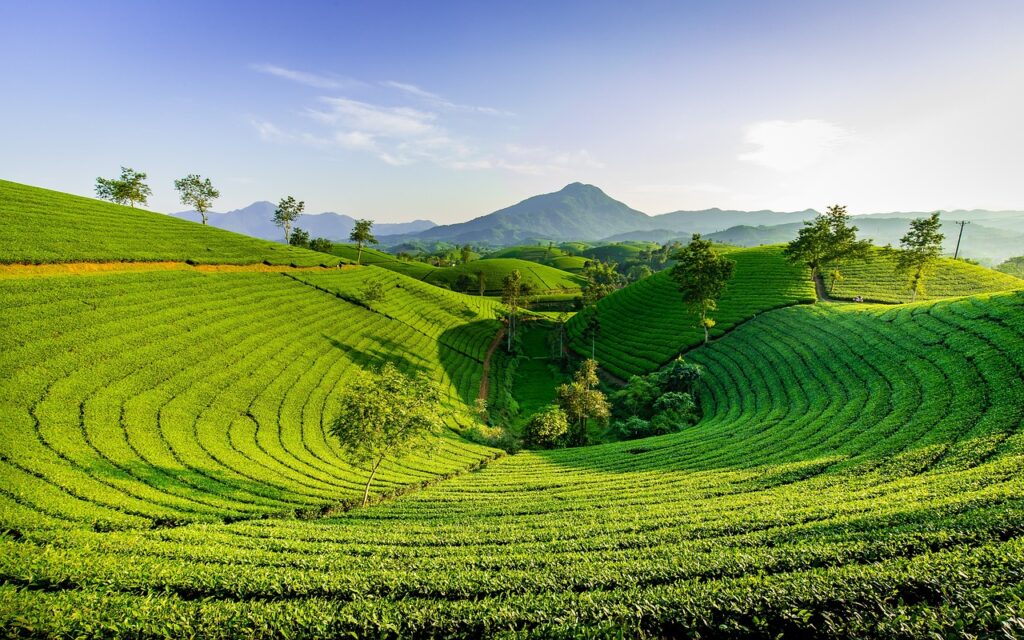
Shizuoka remains the leading tea producing region in Japan, constituting around 40% of the total tea plantation land in the nation. The prefecture’s cultivational success can be attributed to its favorable environmental conditions including its ideal warm and humid climate, consistent precipitation year-long, as well as fertile soil from volcanic ash that is derived from the mountainous land.
Shizuoka’s widespread reputation as a significant tea producer dates back hundreds of years in history. Many believe that tea cultivation was first introduced to the prefecture by Shoichi Kokushi, a Buddhist monk who brought back seeds from China, planting them in the northern Ashikubo. Around the Meiji Restoration (1868), tea production further expanded as remnants of the Tokugawa Clan began to cultivate tea using the land of the Makinohara Plain. Soon after, in 1899, Shizuoka’s Shimizu port opened, later becoming the largest tea exporting port in Japan.
Shizuoka’s Enduring Legacy
Shizuoka’s unique identity lies in its harmonious blend of natural beauty, historical depth, and cultural distinction. The prefecture’s quiet strength lies in its enduring traditions and industries. Its reputation as a major tea supplier, a legacy stretching back to a Buddhist monk and expanding with the remnants of the Tokugawa clan, speaks to a deeply rooted culture of excellence. It’s a place where the legacy of a shogun and the delicate art of tea cultivation coexist, inviting visitors to experience a region that is as rich in flavor as it is in history.
No comments yet.