
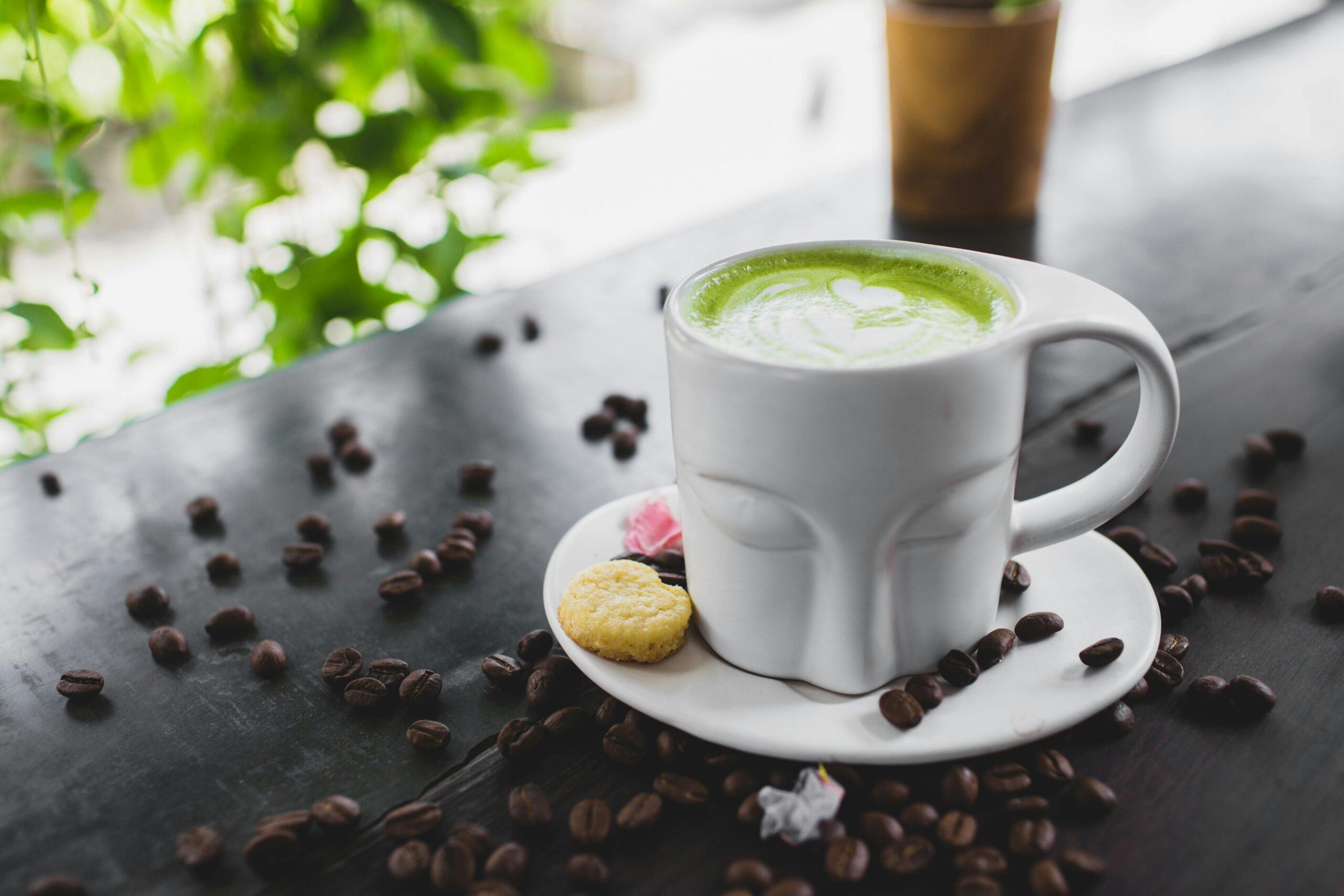
Are you a barista, baker, or business owner trying to curate a suitable matcha menu? You know there’s a difference between a $12 ceremonial latte and a $5 culinary grade smoothie, but do you know why?
The key to a successful menu isn’t about choosing the most expensive option, but rather understanding how to leverage each grade’s unique qualities—and price point—to maximize your business’s success. This guide will explore the strategic differences between these two grades and show you how to use them to your advantage, from perfecting a premium latte to creating a cost-effective, crowd-pleasing dessert.
To begin, it’s essential to understand what exactly differentiates the labels “ceremonial grade matcha” and “culinary grade matcha”. In Japan, matcha is typically evaluated according to its individual characteristics such as taste or color rather than a standardized grading system. However, overseas matcha consumers have adopted these terms as the primary means of categorizing matcha blends.
Ceremonial Grade Matcha vs. Culinary Grade Matcha
Ceremonial grade matcha refers to matcha derived from the youngest tea leaves of the first harvest of the season (the ichibancha or “first flush”). Since ceremonial grade matcha is exclusively made from first flush leaves, it tends to be at a higher cost. However, its uniquely bright green hue and rich aroma sets ceremonial grade matcha apart. These characteristics can be attributed to the “shading cultivation process” where the tea leaves are shielded from direct sunlight. Ceremonial grade matcha tea leaves are usually maintained in the shade for around three weeks before being harvested. This period increases the leaves’ chlorophyll levels, giving the matcha its appealing bright green color. As the earliest to be harvested, the first flush leaves also have the strongest natural aroma and contain high levels of theanine which produce its sweetness and umami flavor. To best experience these nuances, ceremonial grade matcha is usually enjoyed in traditional Japanese tea ceremonies.
In comparison, culinary grade matcha is derived from second flush leaves (nibancha) or autumn harvested leaves (akibancha). Harvested after a longer period of sun exposure, culinary grade matcha can be recognized by its more toned down green hue and slightly coarse texture. As these older tea leaves contain greater levels of catechins, the flavor profile leans on the rich, bitter side. While these characteristics do not yield the most ideal beverage component, culinary grade matcha is usually a more affordable, everyday option that can enhance dishes and desserts.
Cost-Benefit Perspective
As showcased, ceremonial grade matcha and culinary grade matcha offer unique characteristics and serve different purposes. With its more affordable price and strong bitter flavor, culinary grade matcha is often a budget-friendly, suitable choice for products that will involve other ingredients (e.g. baked goods, smoothies). With its nuanced, smooth flavor and vibrant green color, ceremonial grade matcha can enhance the overall quality of a latte–potentially justifying a higher price point.
For a specialty coffee shop focusing on a premium experience, offering ceremonial grade could be a crucial differentiator. Conversely, a bakery or cafe focused on affordable, flavorful menu items would find culinary grade matcha to be the more practical and profitable choice.
Ultimately, the optimal choice lies at the intersection between your business goals and the needs of your consumers. Do your customers value an authentic, nuanced experience or a consistently delicious and affordable product? The answer to that question will guide your purchasing decisions and ensure you are providing the greatest perceived value for your target market.
No comments yet.