
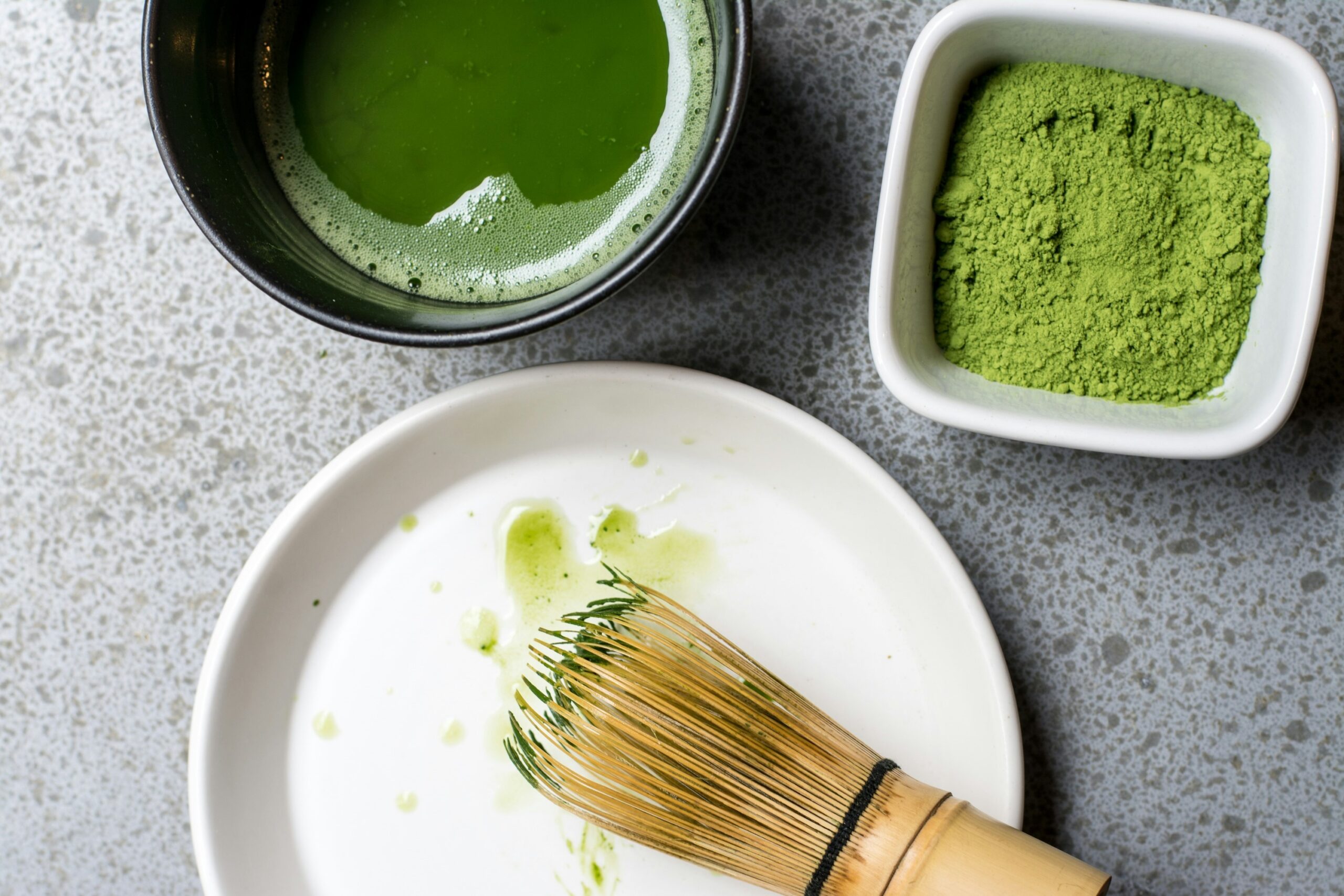
In a world flooded with wellness trends, few things are as time-tested and culturally rich as Japanese tea. From matcha to sencha, Japanese teas offer more than just flavor—they bring centuries of tradition and powerful health benefits to every cup. So what makes Japanese tea so special? Let’s explore.
Rich in Antioxidants
Japanese green teas, especially matcha, are loaded with catechins—natural antioxidants that help prevent cell damage. These compounds have been linked to reducing inflammation, supporting cardiovascular health, and fighting free radicals that contribute to aging and disease.
Boosts Mental Clarity and Calm
Thanks to L-theanine, a unique amino acid found in high amounts in Japanese teas like gyokuro and matcha, tea drinkers often report increased focus without the jitters of coffee. L-theanine promotes alpha brain waves, associated with relaxation and mental clarity.
Supports Metabolism and Weight Loss
Matcha is often hailed as a metabolism booster. Combined with caffeine, the catechins in Japanese green tea may help enhance fat burning during workouts and daily activities.
Naturally Detoxifying
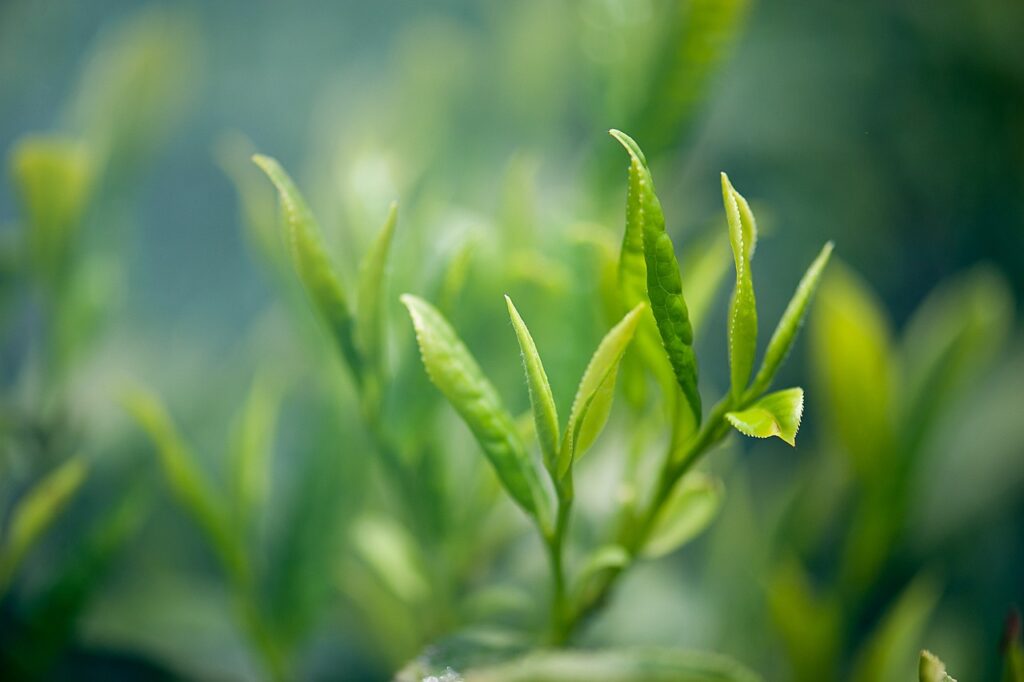
The chlorophyll content in shade-grown teas (like matcha) helps the body detox naturally. This vibrant green pigment supports the liver and aids in removing toxins.
Gut-Friendly and Easy on the Stomach
Unlike stronger black teas or acidic coffee, Japanese teas are gentle on the digestive system. Teas like hojicha (roasted green tea) are low in caffeine and perfect for winding down after meals.
Incorporating Japanese tea into your daily life is more than a beverage choice—it’s a wellness ritual backed by science and tradition. Whether you’re sipping for energy, clarity, or calm, Japanese tea offers a natural way to support your body and mind.
No comments yet.